Home › Guides › Modular buildings for sale
Buying guide
Modular buildings for sale: the 2026 new vs. used buying guide
How to buy a modular office, classroom, job site trailer or specialty building: new vs. used vs. ex-rental units, the state label and data plate, moving a used building to a new site, an inspection checklist, cost factors and the questions to ask before you sign.
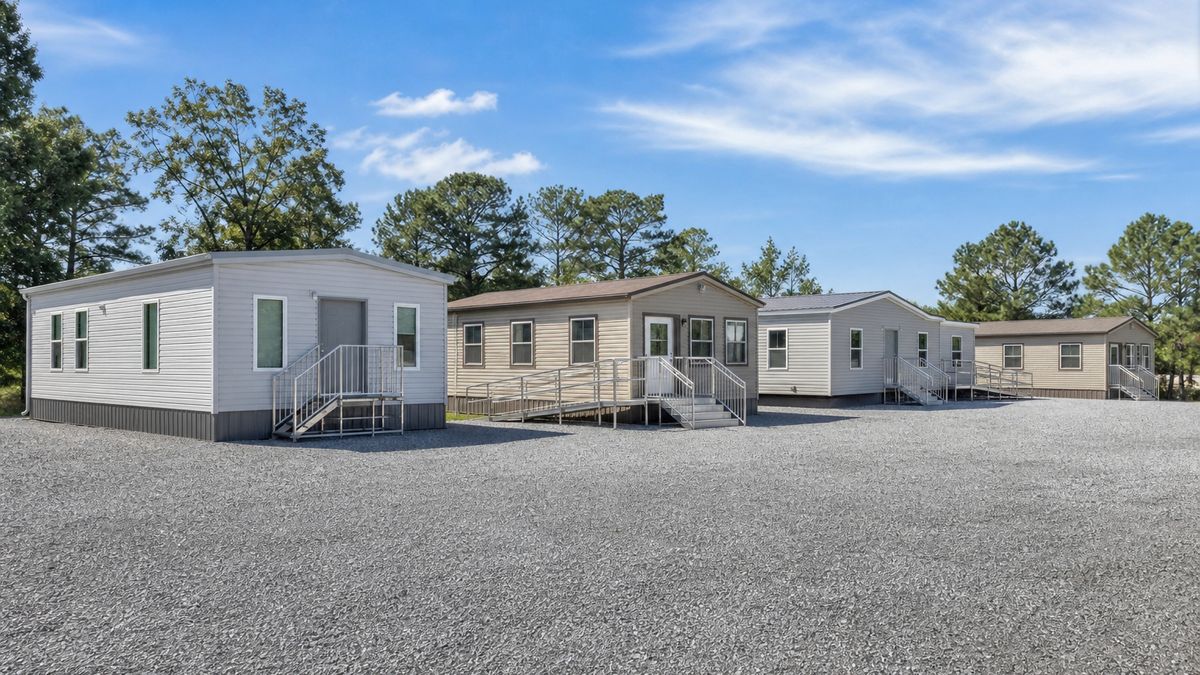
When you shop for modular buildings for sale, you are choosing between three kinds of building: a new building made to order in a factory, a used building that already served another owner, and an ex-rental (fleet) unit that a rental company is retiring. New buildings give you the layout, finishes and code compliance you want for your exact site. Used and ex-rental units usually cost less and can be on site sooner, but only if the floor plan fits and the building can be approved for your location.
Quick answer: Buy new when you need a custom layout, a permanent building or a multi-section complex, or when your site has demanding wind, snow or seismic loads. Buy used or ex-rental when a standard floor plan works, the budget is tight and you need space sooner. Before you buy any used building, confirm three things: it has a valid state label and data plate, its design loads and occupancy match your new site, and it passes a physical inspection. Compare itemized quotes that include transport, installation, site work and permits, not just the building price.
This guide covers the building types you can buy, how new and used compare, the paperwork that decides whether a used unit can be approved where you want it, a practical inspection checklist and the cost factors that matter. If you already know what you need, you can request a free quote and we will return options from our nationwide network of manufacturers, dealers and installers.
What you can buy: modular building types
"Modular building" covers a wide range of commercial structures. Almost every type below is available new, and most are also available used or ex-rental, depending on the market.
| Building type | Typical buyers | New or used? |
|---|---|---|
| Modular offices | Businesses, branch offices, agencies, sales centers | Both; used single- and double-wide offices are common |
| Portable and modular classrooms | School districts, charter and private schools, daycares | Both; used classrooms need extra code review |
| Construction trailers and mobile offices | General contractors, utilities, energy and infrastructure crews | Both; ex-rental trailers are widely sold |
| In-plant offices | Manufacturers, warehouses, distribution centers | Mostly new; used wall systems sometimes available |
| Medical and clinic buildings | Clinics, dental practices, hospitals, health departments | Mostly new because of healthcare requirements |
| Industrial and storage buildings | Plants, yards, utilities, chemical and equipment storage | Both, depending on the use and hazard class |
| Specialty structures | Guard houses, restroom buildings, labs, equipment shelters | Usually new or custom |
Permanent modular construction is a growing share of the market. The Modular Building Institute's 2023 annual report estimated that permanent modular accounted for 6.03% of new construction starts in 2022, up from 2.14% in 2015, with offices and administrative buildings making up 19.1% of permanent modular production and education 15.6%. That growth is one reason there is a steady supply of new buildings and a secondary market for used ones.
New vs. used vs. ex-rental: side by side
| New (built to order) | Used (previous owner) | Ex-rental / fleet | |
|---|---|---|---|
| Layout | Fully customizable | What exists, plus renovation | Standard floor plans |
| Timeline | Design, approval and factory production | Often faster if the unit is approvable | Often fastest; units are built and maintained |
| Code basis | Built to the codes adopted where it will be sited | Built to codes and loads of the original site and date | Usually built for broad markets; check the label |
| Paperwork | Approved plans and new state label | Varies; missing labels or plans can stop a sale | Usually complete, but verify |
| Condition risk | Lowest | Highest; depends on care and moves | Moderate; heavy use but regular service |
| Warranty | Manufacturer warranty | Often as-is or limited | Varies by seller |
| Best for | Permanent, custom or multi-section buildings | Tight budgets with flexible layouts | Offices, trailers and classrooms needed soon |
When buying new makes sense
- You need a specific layout. Private offices, conference rooms, restrooms, exam rooms or a multi-classroom wing rarely match a used unit exactly.
- The building is permanent. A new building can be engineered for a permanent foundation and designed to look like conventional construction.
- Your site has high design loads. Hurricane coasts, heavy-snow regions and high seismic areas are where used units most often fall short.
- You want a full warranty and documentation that will satisfy lenders, insurers and future buyers.
New modular buildings are produced in a factory while site work and permits proceed in parallel. McKinsey's widely cited 2019 analysis found modular construction can deliver projects 20% to 50% faster than traditional methods, with potential cost savings of up to 20%, and a 2024 National Institute of Building Sciences summary of a U.S. Department of Energy-funded field study reported modular projects about 30% faster with roughly 5% lower cost, with 40% to 60% of the work done off site. Results depend on design, logistics and the site.
When buying used or ex-rental makes sense
- A standard plan works. Single-wide offices, double-wide offices and standard classrooms are the most common used units.
- You need space sooner than a new build allows, and you can accept the existing layout.
- The budget is tight and you can put the savings toward site work, ramps and utilities.
- The use is long but not permanent, such as several years of overflow space, where renting would add up.
The label and data plate: the first thing to check on a used building
Most states regulate commercial modular buildings through a state program. A typical process, as described by Maryland's Department of Labor, is that the building is inspected during production and, after passing, a state insignia or certification label is applied before the unit is shipped. The local building department then issues the site permit based on that state approval. Many units also carry a data plate that lists the manufacturer, serial number, date, codes, occupancy and design loads.
That label is what makes a used building straightforward or difficult. North Carolina's Office of State Fire Marshal, for example, sorts existing modular buildings into three cases:
- Properly labeled for that state. The building can generally be moved and occupied if it has been maintained and its original occupancy was legal. A change of occupancy means bringing the building up to current code for the new use, and a new foundation plan may be needed.
- No label, but built by a manufacturer that was certified in the state program at the time. The building can go through a third-party process (plan review, plant records, verification of changes and inspection) before it can be relabeled, and only with the state's authorization.
- No label and a manufacturer that was never certified there. The local jurisdiction may verify compliance through inspection or an engineer's documentation, or it may refuse the building.
Other states have similar rules. New Hampshire's State Fire Marshal's Office says a modular building moved within or into the state must go through a relabeling process and a state inspection, and warns that the original design loads, such as roof snow loads tied to a specific location and elevation, may not fit the new site.
The Interstate Industrialized Buildings Commission (IIBC) runs an interstate compact that lets member states accept each other's plan approvals and inspections, but buildings must still meet the codes adopted where they are sited. In short: a label from one state does not automatically clear a building in another.
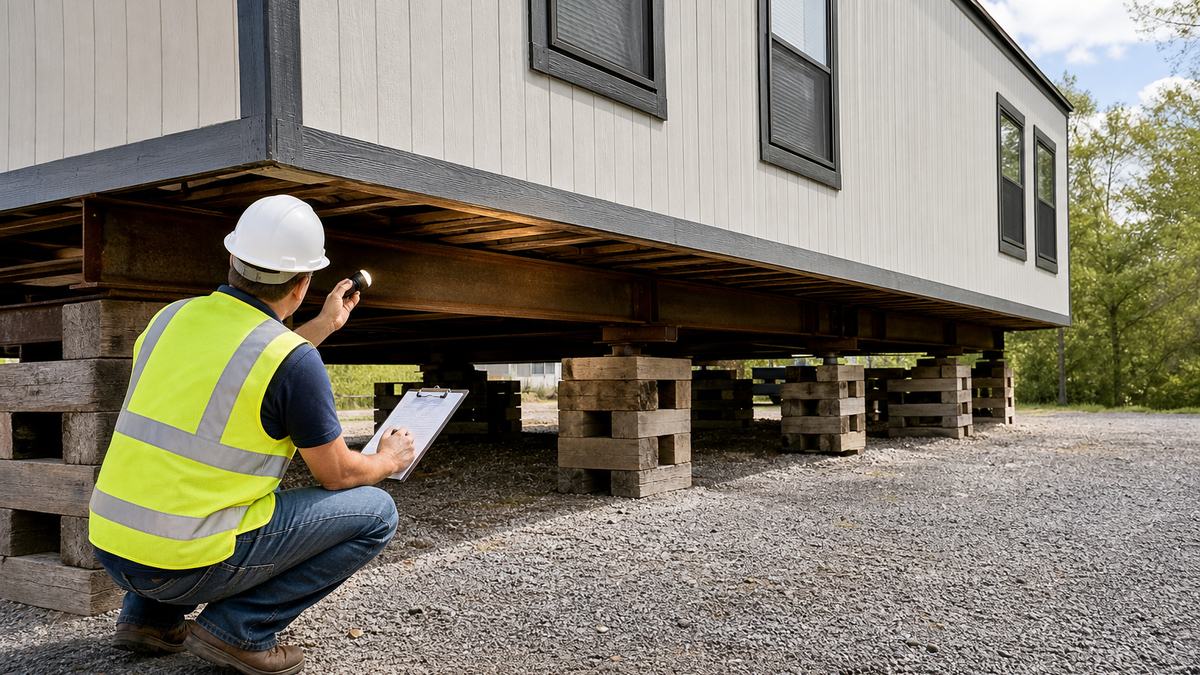
Moving a used building to your site: the code questions
A used building that worked at its old site may not be approvable at yours. Building officials usually look at four questions:
- Design loads at the new location. Virginia's version of the existing-building rules for moved buildings, for example, requires a moved structure to meet wind and seismic provisions at the new location (with limited exceptions) and snow provisions where the new location's snow loads are higher, and requires the foundation system to comply with the state building code.
- Occupancy. Turning a used office into a classroom, clinic or assembly space is a change of occupancy, and that usually means current-code upgrades such as fire alarm, egress, restrooms and accessibility.
- Classrooms get extra scrutiny. Michigan's rules for used modular classrooms require a state (or delegated local) inspection, a permit before site construction, and a certificate of occupancy before students use the room, and they require the unit to stay weathertight and braced during transport and storage.
- Relocatable vs. permanent. The Modular Building Institute helped write the International Building Code section on relocatable buildings; for existing relocatables, the IBC points to the International Existing Building Code. MBI describes relocatable buildings as designed to be transported and reused, with site lives from a few months to several years or longer.
Because rules vary by state, county and city, ask the local building department early, before you pay a deposit on a used unit. Ask specifically whether it will accept the building's label, what documents it needs (data plate, original plans, setup instructions), and whether an engineer must design the foundation.
Used modular building inspection checklist
Use this checklist on any used or ex-rental building, ideally with photos of each item. For larger buildings or permanent installations, hire a qualified inspector or engineer.
| Area | What to check | Red flags |
|---|---|---|
| Label & data plate | State label on each section, data plate, serial numbers, date, design loads, occupancy | Missing or painted-over labels, mismatched serials, loads below your site's requirements |
| Documents | Approved plans, setup or installation instructions, prior permits and certificates of occupancy | No plans and no way to get them from the manufacturer |
| Frame & chassis | Steel frame, outriggers, hitch and axle attachment points, corrosion | Bent or cut members, heavy rust, field welds of unknown origin |
| Floor | Soft spots, sagging, decking near doors and restrooms | Water-damaged subfloor, uneven marriage lines on multi-section units |
| Roof & envelope | Roof membrane or metal roof, seams, flashing, siding, windows, door frames | Ceiling stains, soft roof deck, racked door frames |
| Moisture & mold | Smell, staining, insulation condition, under sinks and around HVAC | Musty odor or visible growth, wet insulation |
| Electrical | Panel, service size, outlets, lighting, exterior disconnect | Missing covers, scorched devices, undersized service for your loads |
| HVAC | Wall-mount or rooftop units, age, operation, ductwork | Non-working units, refrigerant leaks, wrong capacity for your climate |
| Plumbing | Fixtures, water heater, supply and drain lines, freeze protection | Cracked lines, missing parts, no freeze protection in cold climates |
| Fire & life safety | Exits, exit signs, emergency lights, smoke detection or fire alarm, extinguisher locations | Blocked or missing exits, removed devices |
| Accessibility | Door widths, restroom clearances, ramp connection points | Restrooms that cannot be made accessible without major work |
| Transport readiness | Can the unit be moved as is? Are axles, tires and hitches available? | Oversize sections that need special permits, escorts or a crane |
What drives the cost of buying a modular building
Prices vary too much by size, region, condition and market for a single number to be useful, which is why we don't publish price lists. These are the factors that move a quote up or down, new or used:
- Size and number of sections. Square footage, room count, restrooms and multi-section marriage work.
- New, used or ex-rental. Used units usually cost less up front; new units include customization and a warranty.
- Condition and refurbishment. Flooring, roofing, HVAC replacement, paint and repairs on used units.
- Code upgrades. Changes needed for your site's loads, a new occupancy, fire alarm, accessibility or energy rules.
- Transport. Distance, number of loads, oversize permits, escorts and route restrictions.
- Installation. Blocking and tie-downs or a permanent foundation, crane time, leveling and marriage-line finishing.
- Site work. Grading, drainage, gravel or paving, access and parking.
- Utilities. Electrical service, water, sewer or septic, data, and the permits for each.
- Add-ons. Steps, ramps, decks, skirting, canopies, furniture, security and IT.
- Design and permits. Engineering, plan review, inspections and any state relabeling fees.
For a deeper look at office pricing factors, see our guide to modular office building cost. For buildings you only need for a while, compare against renting or leasing, and read rent, lease or buy a modular building.
A simple installed-cost worksheet
| Cost line | New building | Used / ex-rental building |
|---|---|---|
| Building | Purchase price as designed | Purchase price as is |
| Refurbishment & upgrades | Usually none | Repairs, finishes, code upgrades |
| Design & approvals | Plans, engineering, state approval | Engineering, relabeling, local review |
| Transport | Factory to site | Current location to site |
| Installation & foundation | Blocking or permanent foundation, crane | Same, plus teardown at the old site if needed |
| Site work & utilities | Grading, access, connections, permits | Same |
| Add-ons | Steps, ramps, skirting, furniture | Same, or reuse existing if in good condition |
| Warranty & risk | Manufacturer warranty | Budget a contingency for surprises |
Looking for modular buildings for sale?
Tell us the building type, size, location and timeline. We'll return new and used options to compare. Free, no-obligation quote.
How buying a modular building works, step by step
- Define the need. Use, headcount or room count, approximate size, restrooms, how long you will use it, and whether it will be permanent.
- Check the site and local rules. Zoning, setbacks, access for trucks and cranes, utilities and what the building department requires for new or used buildings.
- Request options. Ask for new and used (or ex-rental) options so you can compare. Through our network of manufacturers, dealers and installers we can return more than one option.
- Verify used units. Label, data plate, documents and an inspection before any non-refundable deposit.
- Compare itemized quotes. Building, refurbishment, transport, installation, site work, utilities, add-ons and permits on separate lines.
- Permits and site prep. Foundation or blocking, grading, utility stubs and inspections are scheduled around delivery.
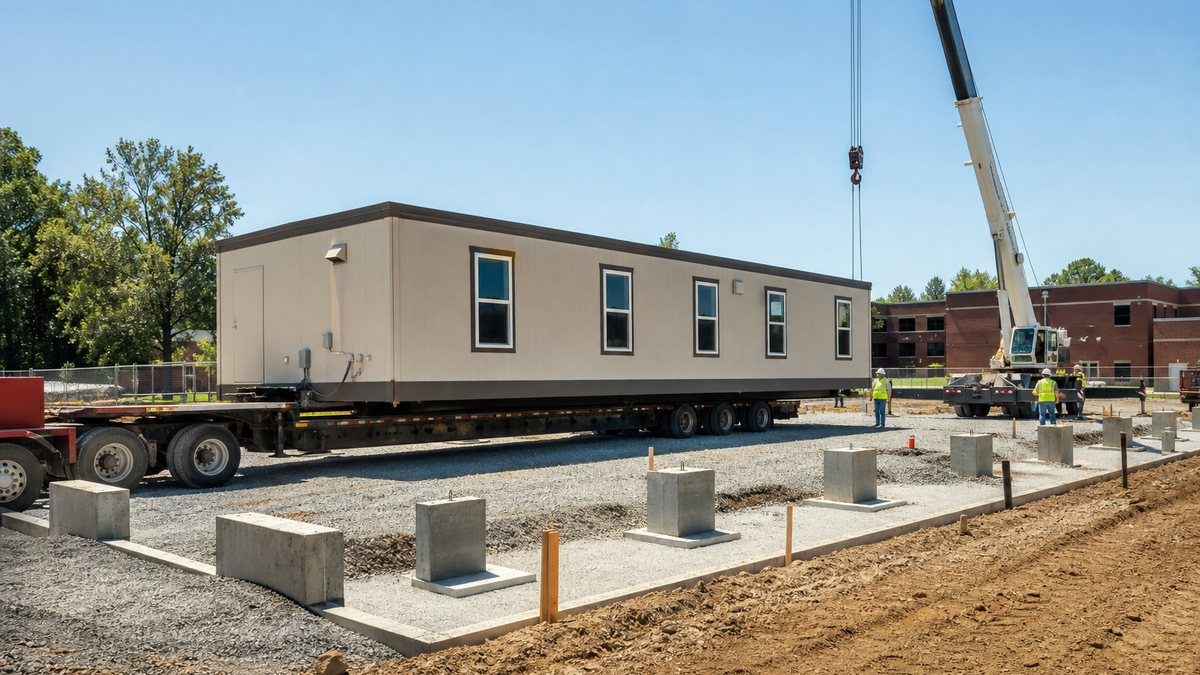
- Delivery and installation. Sections are delivered, set, leveled, anchored and joined; steps, ramps and skirting are installed.
- Final inspection and occupancy. The local official inspects the installation and connections before the building is used.
Buying a modular building near you
Searches like "modular buildings for sale near me" make sense: local supply, transport distance and local codes all affect the total cost. A unit that is close by usually costs less to move, and a building already labeled for your state is easier to approve. Climate matters too. Buildings in Gulf Coast cities such as New Orleans, Houston and Orlando need wind-rated construction and anchorage, while buyers in Cleveland, Chicago, Denver and Des Moines should confirm roof snow loads, insulation and freeze protection.
We serve all 50 states, with local pages for cities including Atlanta, Tulsa, Oklahoma City, Dallas and Kansas City. Find yours on the locations page.
Four buying scenarios
1. A contractor that keeps renting the same trailers
A regional contractor rents two job site offices for nearly every project. Buying ex-rental trailers can make sense when the company has a yard to store them and crews to move them, because the rental payments on back-to-back jobs add up. See construction office trailer sizes to choose the right units.
2. A school district that needs two classrooms
Used classrooms can be a good value, but they need the most review: occupancy, fire alarm, restrooms, accessibility and the state's rules for relocated classrooms. Compare a used pair against a new building and a lease. Our portable classrooms guide covers the decision.
3. A business that wants a permanent sales office
A permanent building with a custom front, restrooms and a conference room points to new. It can sit on a permanent foundation and be designed for the site from the start. Our commercial modular buildings guide explains the options.
4. A warehouse that needs a supervisor office
Inside a building, wind and snow loads do not apply the same way, but fire code, egress and electrical still do. A new in-plant office is usually simplest, and used wall systems can work when the size matches. See our industrial modular buildings guide.
Questions to ask before you buy
- Is this building new, used or ex-rental, and what is its manufacture date?
- Does every section have a state label for my state, and can I see photos of the label and data plate?
- What design loads and occupancy is the building approved for, and do they match my site?
- Are the original plans and setup instructions available?
- What repairs or refurbishment are included, and is there any warranty?
- Is the quote itemized: building, transport, installation, site work, utilities, add-ons and permits?
- Who handles teardown at the current location, and who pays for transport permits?
- Who designs the foundation or blocking, and does it need an engineer's seal?
- What is a realistic delivery and installation schedule for my location?
Frequently asked questions
Are used modular buildings worth buying?
Often, yes, when the floor plan fits, the building is in good condition and it can be approved for your site. Used units usually cost less up front and can be available sooner than new buildings. Check the state label, data plate, documents and condition before you commit.
What is the difference between a new and an ex-rental modular building?
A new building is made to order for your site and comes with a manufacturer warranty. An ex-rental or fleet unit is a standard building retired from a rental fleet. It has been used, but it has usually been maintained and is ready to move.
Can I move a used modular building to another state?
Sometimes. Many states require a building moved into the state to carry that state's label or go through relabeling, plan review or inspection, and the building must meet the codes and design loads where it is sited. Ask the receiving state's program and the local building department before you buy.
What is a modular building data plate?
A data plate is a label on the building that records information such as the manufacturer, serial number, date of manufacture, codes, occupancy and design loads. Building officials use it, together with the state label, to decide whether a building can be approved.
How much does it cost to buy a modular building?
It depends on size, new or used, condition, code upgrades, transport distance, installation, site work, utilities, add-ons and permits. The building price is only part of the total, so compare itemized installed-cost quotes rather than list prices.
Do I need a permit to install a modular building I bought?
Usually, yes. Most buildings need a building or placement permit plus electrical, plumbing or other permits, and used buildings may need state relabeling or inspection. Requirements are set by the state program and the city or county building department.
Can a used office be turned into a classroom or clinic?
Possibly, but that is a change of occupancy. It usually means bringing the building up to current code for the new use, including fire alarm, exits, restrooms and accessibility, and classrooms and clinics often need additional state approvals.
Is it better to buy or lease a modular building?
Buying usually costs less over many years and gives you full control. Leasing or renting suits shorter or uncertain needs and avoids a large up-front cost. Compare the total cost over your realistic timeline, including delivery, setup and removal.
How long does it take to get a modular building after I buy it?
Used and ex-rental units that are already built can often move faster than new buildings, which are designed, approved and produced in a factory. Permits, site work and transport also affect the schedule, so ask for a timeline with each quote.
How do I find modular buildings for sale near me?
Share the building type, size, location and timeline with us. We search our nationwide network of manufacturers, dealers and installers and return new and used options to compare. Request a free quote or call (702) 738-2218.
Related
Sources
- McKinsey & Company, Modular construction: From projects to products (2019).
- National Institute of Building Sciences, 2024 summary of a U.S. Department of Energy-funded field study on modular construction (schedule, cost and off-site work share).
- Modular Building Institute, 2023 Permanent Modular Construction annual report; Relocatable / portable buildings; IBC relocatable buildings section.
- Interstate Industrialized Buildings Commission, FAQ.
- North Carolina Office of State Fire Marshal, Moving or relabeling existing modular buildings.
- New Hampshire State Fire Marshal's Office, Modular relocation.
- Maryland Department of Labor, Industrialized (modular) buildings program procedures.
- Michigan Admin. Code R. 408.31169, Relocation and reuse of used modular classrooms.
- Virginia Administrative Code 13VAC5-63-435, Moved buildings and structures.
This guide is general information, not legal, engineering, tax or financial advice. Building types, availability, condition, codes and requirements vary by supplier, state and location; confirm requirements with your design professional, the state modular program and the local building department.